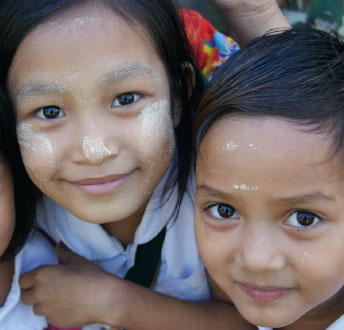
For Myanmar children in Thailand, securing access to education can be challenging. While the country’s “Education For All” policy guarantees free basic education to all children in Thailand - regardless of who they are or where they came from - the situation is different on the ground. Myanmar children looking to enroll in Thai schools face barriers in language, documentation, costs, and discrimination, preventing them from accessing this basic right.
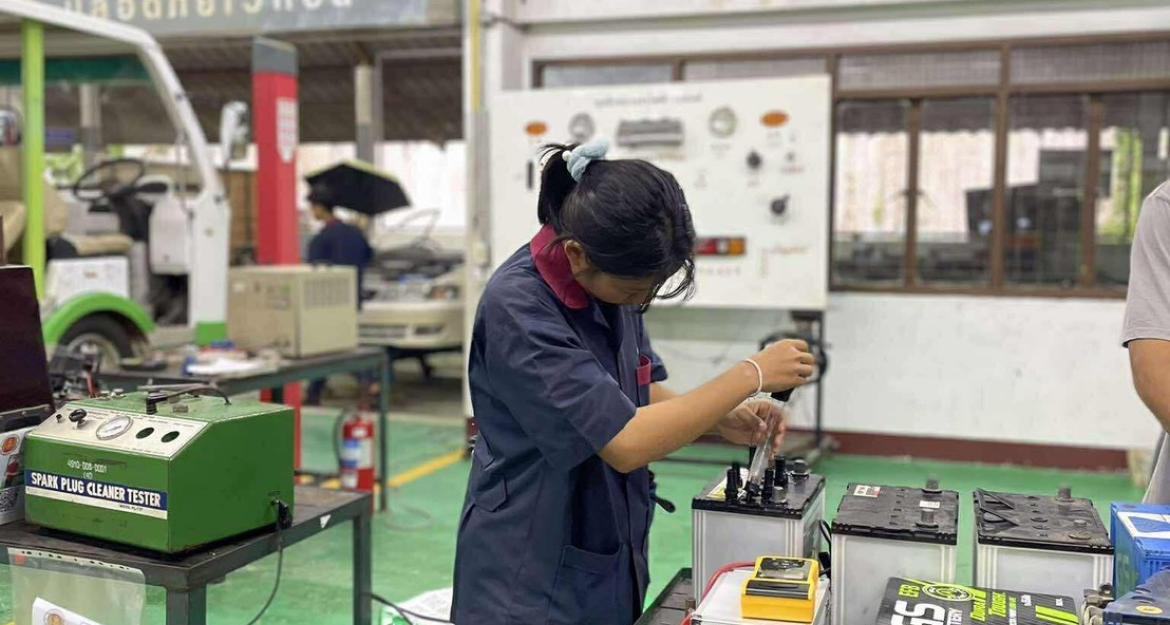
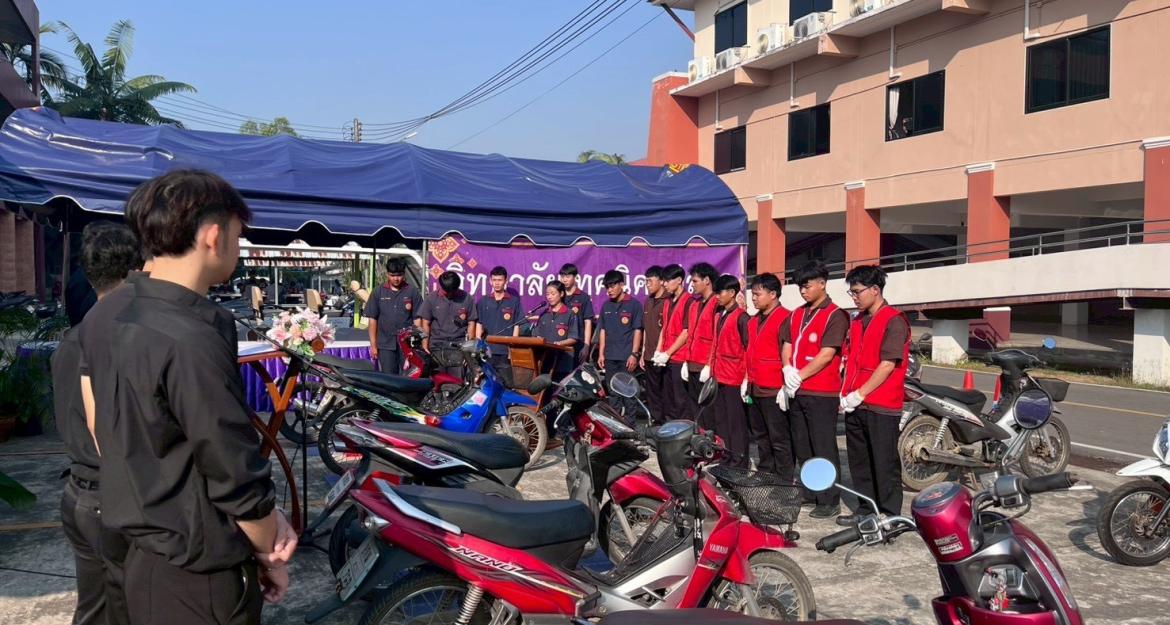
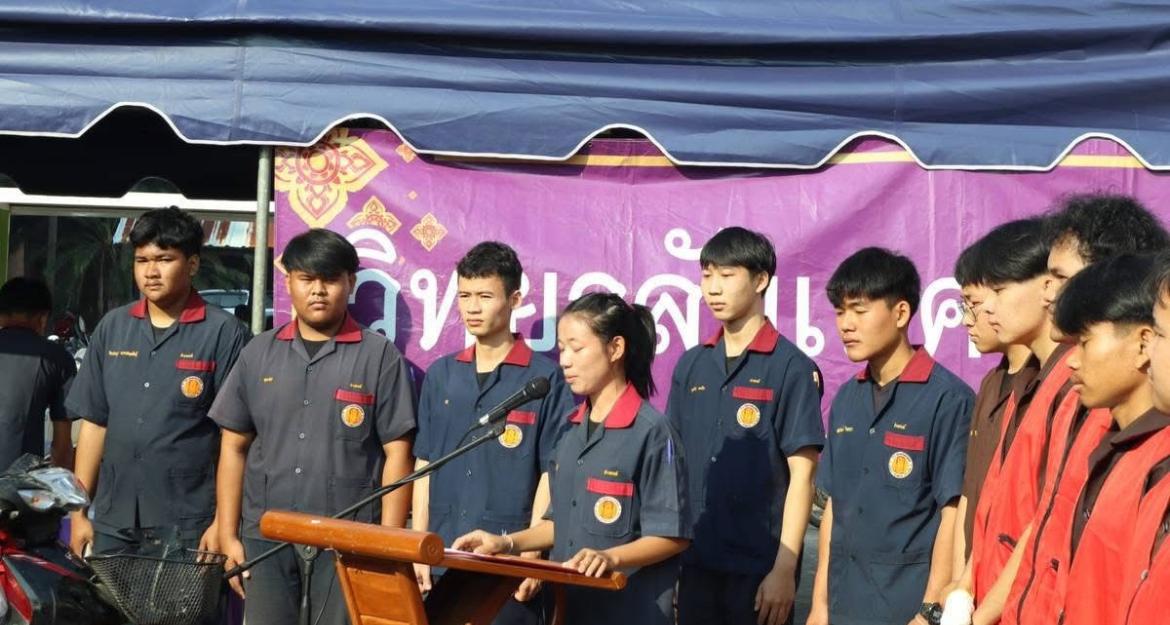
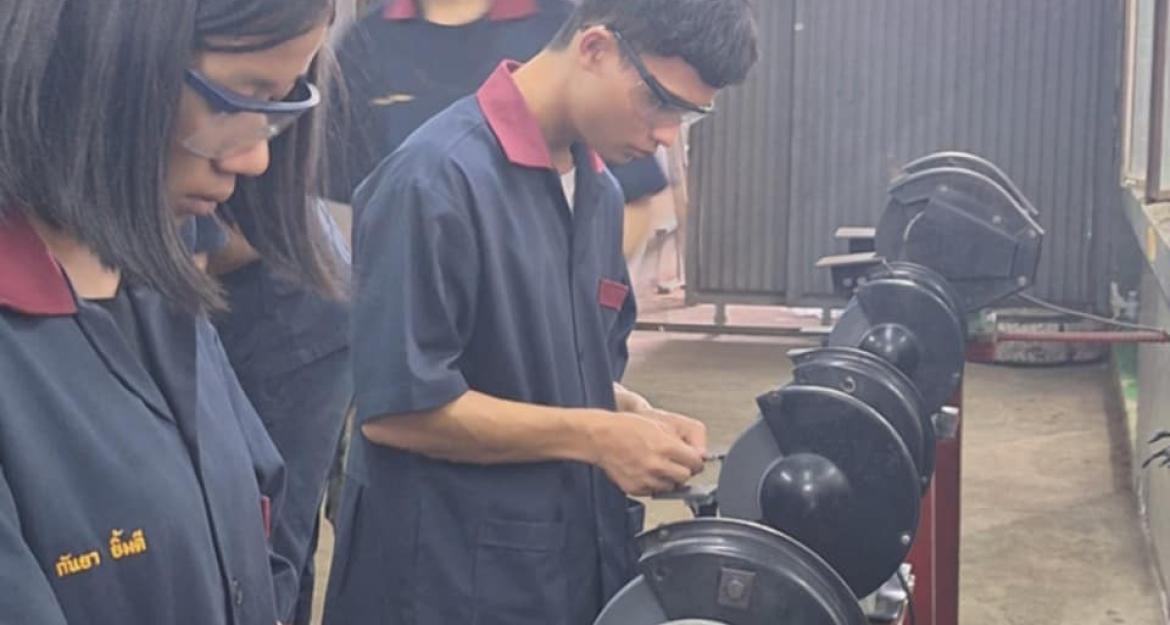
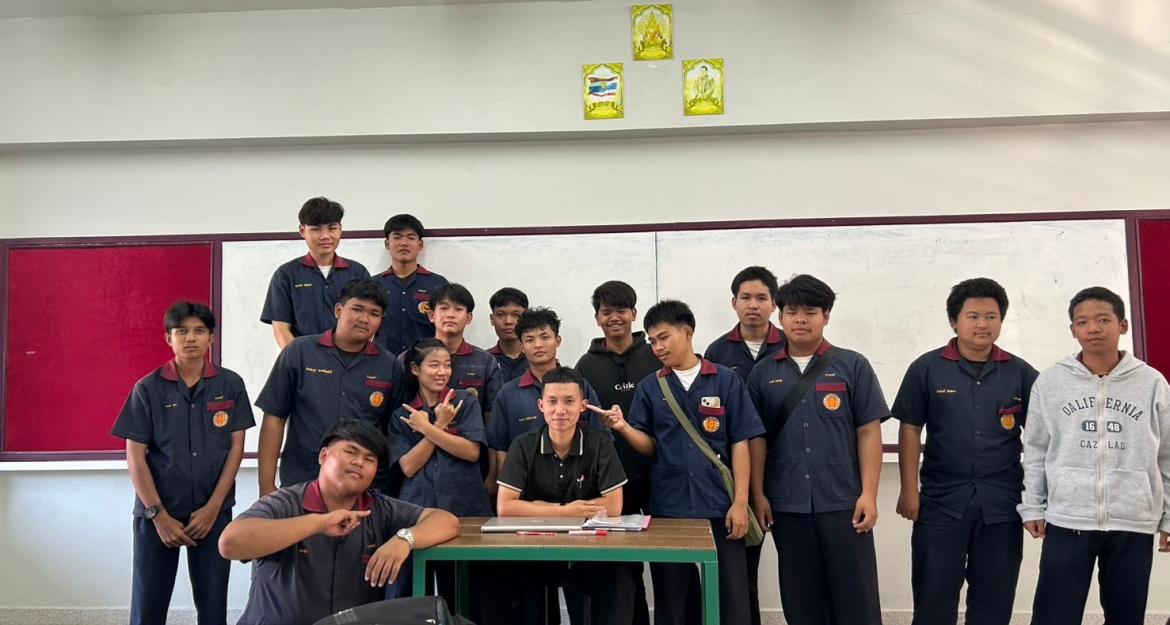
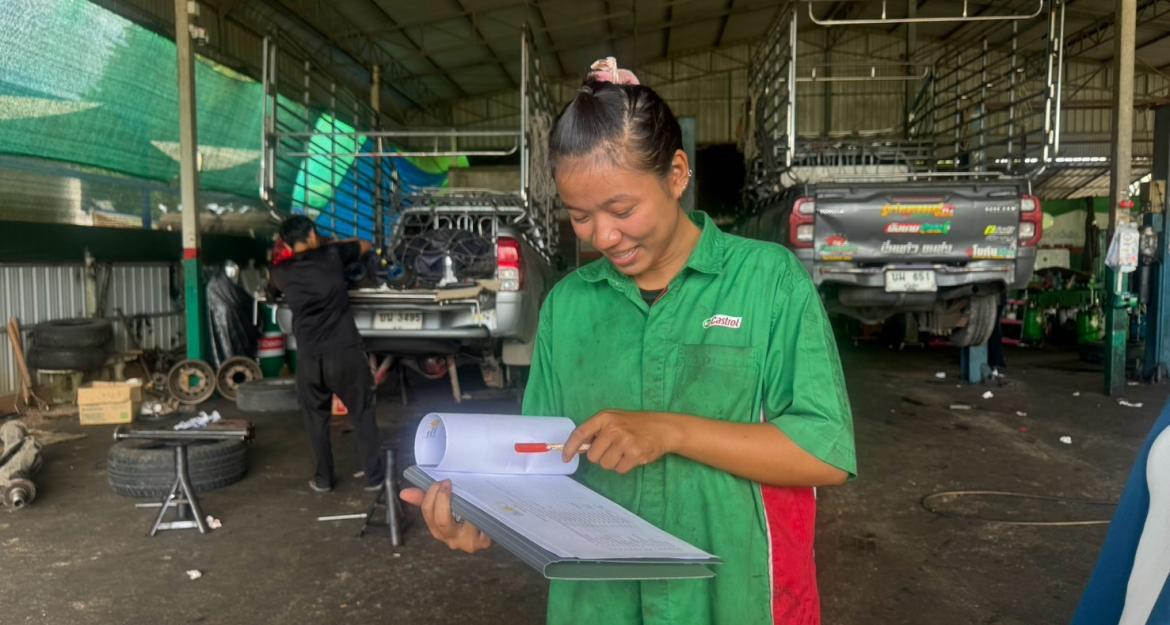
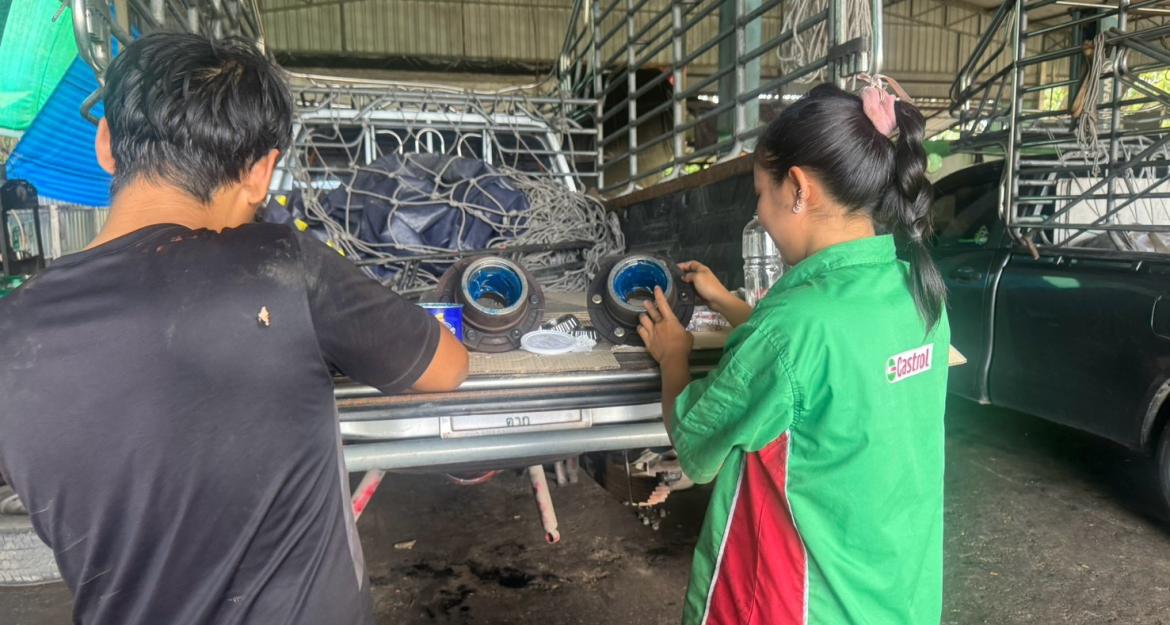
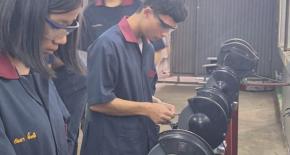
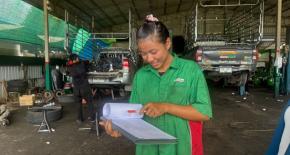
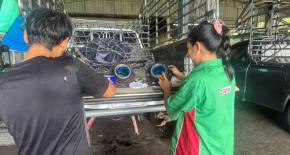
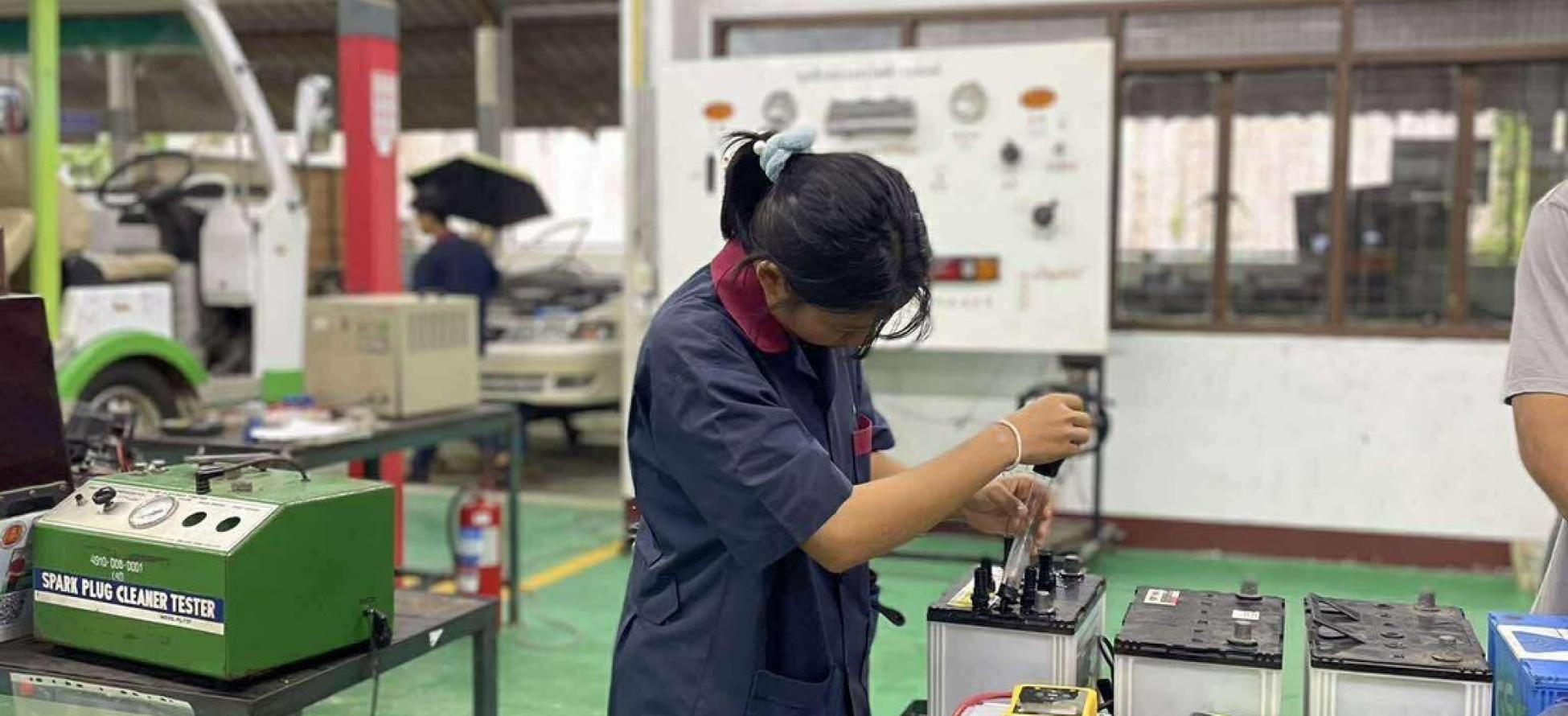
Karnya Yimdee is breaking barriers. At 18 years old, she is currently enrolled in Grade 12 at Mae Sot Technical College, having come all the way up through the Thai education system. Not only is she breaking ground in educational attainment for migrant students, she is also leading the way for other young women and girls: she is the only female on her mechanical engineering course.
“I really enjoy studying in a Thai school,” Karnya says. “There is equality among everyone there. The teachers understand the students and provide good guidance for us. All my friends, Thai and Myanmar, we help each other as much as we can.”
Karnya’s mother came to Thailand in 1997, and moved to Tak Province the following year. This Province in the northwest is a major crossing point on the border between Myanmar and Thailand. In recent decades, thousands of people have left Myanmar in search of safety and employment opportunities, settling in migrant communities in Mae Sot, or in refugee camps along the border.
Since the Myanmar military coup in February 2021 and subsequent escalation of violence in the country, these cross-border movements have increased dramatically. The International Office of Migration (IOM) estimated that 1.5 million Myanmar nationals entered Thailand in 2023 alone, and the Mae Sot Immigration Office estimated that more than 2,000 people were crossing the border from Myanmar into Thailand every day in 2024 - up to 25% of whom were children. They join the 400,000 Myanmar children already living in Thailand.
For many of these children, the main alternative for education access is Migrant Learning Centres (MLCs) - community-based schools that teach in Myanmar languages and have more flexible criteria for enrolment. However, MLCs are not able to legally register in Thailand, keeping them at risk of closure. Furthermore, the number of students enrolled in MLCs has doubled since 2021, putting pressure on an already under-resourced education pathway. The capacity for new enrolments is now severely limited at both MLCs and Thai schools. Those who remain out of school face harsh risks including unsafe work and trafficking.
Help Without Frontiers runs a number of education projects supporting migrant and displaced Myanmar children to continue their learning in Thailand. Support for the running costs and capacity building of ten MLCs is a major project, though HWF also provides support for Myanmar children in Thai schools and colleges. A new project, which began in 2024 with support from Child’s Dream Foundation, is currently supporting 86 Myanmar children to continue their education through high school level and graduate.
Karnya is one of these students, earning her scholarship two years ago with excellent grades and references from her Thai school.
“I enrolled in a Thai school because my mother wanted me to try something new. Since we were staying in Thailand, she knew it was important for me to study in the Thai system, and get a good understanding of the Thai language”.
“I have been able to continue my education at Thai school because of the scholarship,” she says. “Without this support, I would have had to work instead, because my parents could not afford to support my studies.”
With no end in sight to the civil war in Myanmar, families who have already crossed the border are increasingly seeing their long-term future in Thailand. “If I hadn’t been able to study, I would have had to work and live day by day. I know I would have faced many challenges. But I never thought about returning to Myanmar. There is nothing left for me there.”
Accessing education - and learning Thai in particular - is a key need for migrant children to be able to build a strong foundation and a future in Thailand, with opportunities to work safely, fulfil their potential and contribute to society. Continued access to Thai schools, non-formal education programs, and college initiatives are needed to help make “Education For All” a reality.
“When I graduate, I have a plan for my future. I hope to have a job that I can continue doing long-term, without having to worry. I want to have a stable career so my parents can feel at ease, and I can live a simple life.”